By Jason Plautz,
Energy Wire
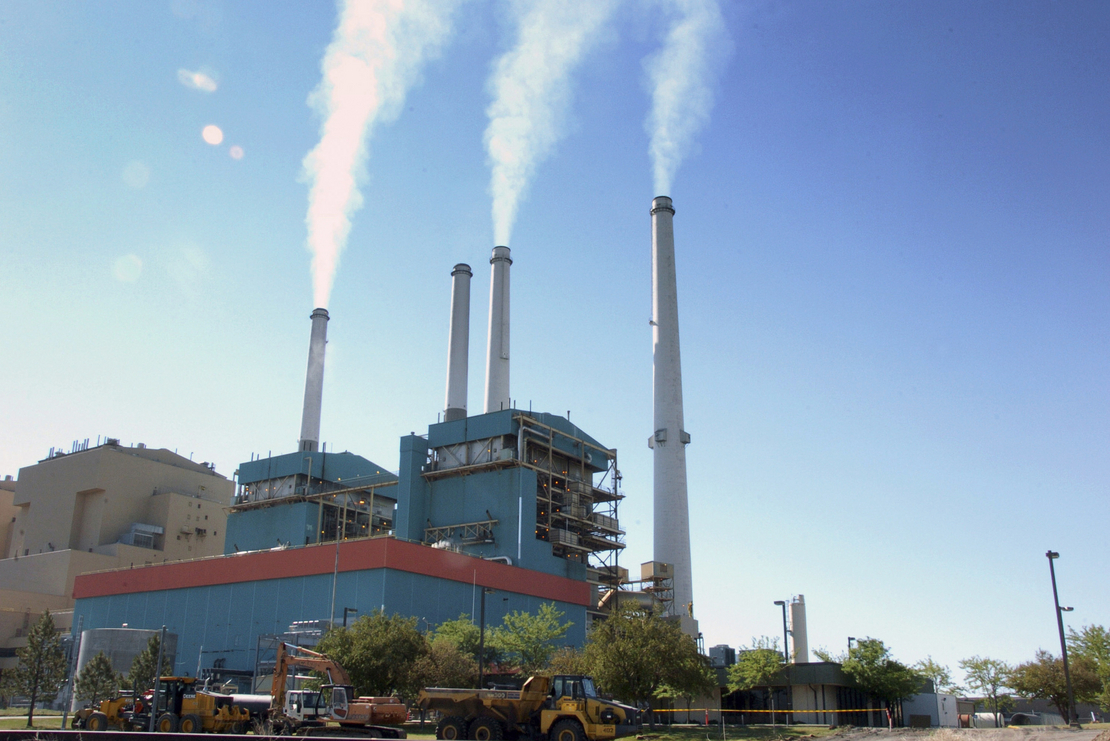
A new rule proposed last month by EPA could spell the end of coal-fired power plants as they currently exist.
But not if some states have their way.
As utilities transition from coal to cleaner-burning natural gas and renewable energy, legislatures in some legacy coal states have stepped into the fray. Utah and Kentucky passed laws this year to make it harder for state regulators to approve utility plans retiring coal plants. In West Virginia, a new law will require the state to sign off before a utility can retire a coal or gas plant. Wyoming has enacted mandates in recent years to push utilities to explore selling coal plants or installing carbon capture technology before shutting them.
Montana, meanwhile, passed a sweeping law that bars climate analyses for new power plants.
Legal experts question whether the states’ efforts will make much of a dent in EPA’s work to clean up the power sector, which accounts for a quarter of the country’s greenhouse gas emissions. But they could set the groundwork for some operators to push forward on novel carbon capture and storage (CCS) technology that may keep power plants open and in compliance with federal regulations. Or they could preview the intense political and legal fights to come.
“A lot of states are making clear that the carbon rule and the other environmental rules are going to wreak havoc,” said Michelle Bloodworth, CEO of the pro-coal trade group America’s Power. “States with a lot of generation are sounding huge alarms and warnings, and that’s why they’re passing legislation and are going to get involved in litigation.”
In Utah, Republican majorities in the state Legislature passed a law known as the Energy Security Amendments — H.B. 425 — this spring to dictate the state’s responsibility to ensure citizens have affordable and reliable power generation. If any power-generating source is forced to retire early because of federal mandates, the law also authorizes the state attorney general to use taxpayer dollars to defend it in court.
The law applies to any energy source, not just coal. But sponsors have tied its goals to the Intermountain Power Project, the state’s largest coal plant, which is set to retire in 2025. Utah state Rep. Ken Ivory (R), the law’s sponsor, told E&E News the goal is to “keep the lights on, keep people safe and healthy and keep the economy moving” in a rapidly changing electricity sector.
EPA’s proposed power plant rule seeks to slash emissions from new and existing coal- and gas-fired power plants, pushing owners to either close them or outfit them with carbon capture technology or clean hydrogen fuel. The requirements change depending on the plant’s use and technology, but the largest plants would have to either close or capture emissions by 2040.
Under the proposal — which could change before it is finalized — states would have to craft compliance plans to be approved by EPA. That’s designed to give states some flexibility to ensure reliability or meet their own regulations. But that doesn’t mean states can rely on their pro-coal leanings to propose plans that wouldn’t slash coal emissions as quickly as the EPA wants, said Stacy Tellinghuisen, deputy director of policy development for Western Resource Advocates.
“At a high level, states can set whatever policies they want, but at the end of the day, they have to comply with the Clean Air Act,” Tellinghuisen said. “Ultimately, the future of a power plant is a conversation between state and federal regulators, utilities, utility commissions, environmentalists and consumer groups to figure out the most cost-effective and reliable solution.”
